The Ultimate Guide to EV Charger Installation: Benefits and Best Practices
Installing EV chargers presents considerable advantages for both homes and businesses. Improved convenience and possible cost reductions are among the key benefits. Additionally, choosing the appropriate charger type is critical for optimal performance. However, several pre-installation considerations must be addressed to guarantee compliance and safety. Comprehending the installation procedure and maintenance routines is equally essential. What factors should one prioritize to maximize the benefits of EV charger installation?
Why Install an EV Charger at Home or Business?
Installing an EV charger at home or business offers a wide range of benefits that can enhance both convenience and sustainability. By having a dedicated charging station, electric vehicle (EV) owners can recharge their vehicles at night or during working hours, removing the necessity of repeated stops at public charging locations. This not only saves time but also guarantees that the vehicle is always ready for use.
Moreover, installing an EV charger can greatly reduce electricity expenses, especially with the opportunity for time-of-use rates. Businesses can engage sustainability-focused customers by displaying their support for environmentally responsible operations, boosting their public image. In addition, local governments regularly supply rewards for EV charging station setup, rendering it a wise financial decision.
Selecting the Best Type of EV Charger for Your Requirements
Choosing the right type of EV charger is essential for maximizing charging efficiency and meeting individual needs. There are primarily three types of chargers: Level 1, Level 2, and DC Fast Chargers. Level 1 chargers, which use standard household outlets, are suitable for overnight charging but deliver slower charging speeds. Level 2 chargers offer faster charging and are well-suited for home installations, accommodating various vehicle models reliably. For business applications or quick charging needs, DC Fast Chargers considerably reduce charging time but need specialized electrical infrastructure.
When selecting a EV charger, factors to consider include the compatibility of the vehicle, the typical daily mileage, and available power supply. Furthermore, cost considerations and available installation space should be evaluated, as some chargers may require professional installation. At the end of the day, selecting the appropriate EV charger can enhance convenience and efficiency, making it an essential choice for every electric vehicle owner.
What You Should Know Prior to Installing Your EV Charger
When embarking on the installation of an EV charger, a number of essential considerations must be examined to guarantee a successful setup. To begin, one must examine the electrical capacity of the property or building. Confirming that the existing electrical system can support the additional load is essential to protect against system overloads. Furthermore, the location of the charger should be chosen carefully, taking into account ease of access, closeness to parking areas, and shelter from weather conditions.
Furthermore, local building codes and regulations should be carefully examined to confirm compliance, as certain regions may impose specific requirements for EV charger installations. Hiring a licensed electrician is highly recommended, as they are qualified to evaluate the site, suggest suitable equipment, and ensure a safe installation. Finally, considering future needs, such as possible enhancements for more vehicles or improved charging speeds, can provide long-term benefits. Careful planning can facilitate a streamlined and efficient EV charging experience.
How to Mount Your EV Charger: A Complete Step-by-Step Guide
Setting up an EV charger necessitates careful preparation and attention to detail. learn here To begin, the setup area must be evaluated to guarantee it satisfies safety and accessibility requirements. Following this, proper connection of electrical components is critical for the reliable and secure performance of the charging unit.
Getting Your Installation Site Ready
Readying the installation site for an EV charger is a critical step that establishes the groundwork for a successful setup. First, the location should provide easy access to the vehicle, ideally close to the power source. The surface must be level, confirming the charger stays secure. Eliminate any debris, vegetation, or obstacles that could hinder installation or access. If installing outdoors, take into account factors such as environmental exposure and proximity to existing electrical infrastructure. Examine the electrical capacity of the home to ensure it can handle the charger. Finally, check local regulations and obtain necessary permits, as compliance with codes is imperative for safe operation. Adequate preparation will streamline the installation process and boost overall effectiveness.
Linking Electrical Components
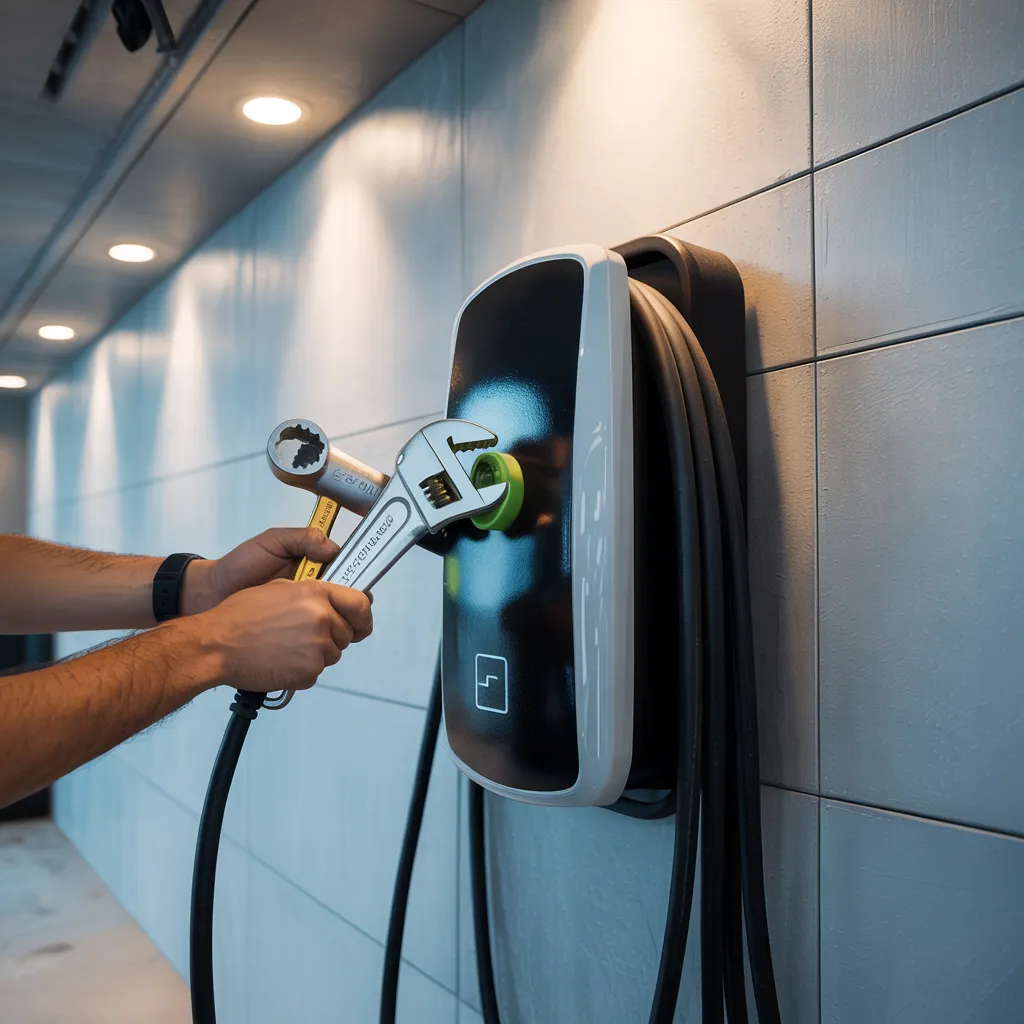
Once the installation site is prepared, the following step requires establishing the electrical connections for the EV charger. To begin, the circuit breaker needs to be shut off to ensure safe working conditions. The technician must then connect the charger's power supply wires to the designated circuit. Generally, this entails attaching the live, neutral, and ground wires following the manufacturer's instructions. It is imperative to fasten all connections firmly, using appropriate tools to eliminate the risk of loose wiring. Subsequently, the installer should mount the charger securely to the wall or pedestal, ensuring it is properly leveled. When all wiring connections are complete, the circuit breaker can be turned back on. As a final step, a detailed examination should be conducted to confirm that all components are working properly before the charger is used.
Top Practices for Safe and Effective EV Charging
Ensuring safe and efficient EV charging is essential for both vehicle longevity and user safety. To achieve this, users should select chargers that comply with local electrical codes and standards. The charger should be installed in a well-ventilated space, ensuring it remains clear of potential hazards including water sources and flammable materials. Periodic checking of charging cables and connectors is necessary to spot signs of wear or damage that might jeopardize safety.
Moreover, users should monitor the charging process and prevent circuit overloads. Using timers or smart charging options can aid in controlling energy consumption while minimizing expenses. It is also important to educate users about proper charging etiquette, which includes removing the plug promptly once charging is complete to prevent overheating. By adhering to these best practices, both safety and efficiency can be maximized, ultimately enhancing the EV charging experience for all users.
Keeping Your EV Charger in Top Condition for Lasting Performance
Adequate maintenance of an EV charger significantly enhances its durability and efficiency. Routine checks are necessary to confirm all connections are secure and free from corrosion. Wiping down the charging port and cable can avoid the buildup of debris, which may reduce charging performance. Moreover, users should consistently review available software updates, as manufacturers regularly issue upgrades that boost overall functionality and system security.
It is equally important to keep an eye on the charging environment. Placing the charger in a sheltered location can protect it from extreme weather conditions that may cause damage. A surge protector can protect the charger from unexpected electrical surges.
Additionally, documenting unusual patterns, like charging delays or error notifications, can facilitate timely troubleshooting. Following these maintenance practices guarantees that the EV charger maintains peak performance, thereby improving the user experience and prolonging the device's functional lifespan.
Questions We Get Asked Often
Should I Install an EV Charger Myself, or Hire a Professional?
Individuals can install an EV charger themselves if they have the required skills and knowledge; however, hiring a professional is generally advised for the sake of safety, adherence to local codes and regulations, and guaranteeing optimal performance of the charging system.
What Permits Do You Need for EV Charger Installation
Permits for EV charger installation generally consist of electrical permits along with zoning permits in select regions. Requirements vary by location, so reviewing local requirements and considering the help of a qualified expert can ensure full compliance and safety.
What Are the Typical Costs of Installing an EV Charger?
EV charger installation typically costs from $500 to $2,000, based on factors including the complexity of the installation site, labor rates, and necessary electrical upgrades. Additional expenses may arise for permits and specialized equipment requirements.
How Long Does the Installation Process Take?
The setup process for an EV charging unit typically takes four to eight hours on average, depending on the complexity of the electrical system and the specific charger being installed, as well as any necessary permits or inspections.
Are There Tax Credits or Rebates Available for EV Charger Installation?
Yes, several rebates and tax credits are available for EV charging station installation. Such incentives often depend on local policies and jurisdiction, inspiring residential and commercial property owners to support eco-friendly EV charging infrastructure for cleaner and greener mobility solutions.